Korea Expat Life Guide: Tips for Actually Living the K-Life
You've watched the dramas, scrolled through the aesthetic Seoul cafe reels, and maybe even started learning Korean on Duolingo. Now you're seriously thinking about making the move — or you've just arrived and the reality of setting up a Korean bank account, finding an apartment, and figuring out which trash bag to buy is hitting harder than expected.
This article covers the practical side of building a daily life in Korea as a foreigner: from getting your essentials set up (phone, bank, housing) to navigating the cultural rhythm that makes Korean daily life feel so different from what you see on screen. If you're deciding whether Korea is right for you long-term, or already here and trying to settle in faster, this is the rundown.
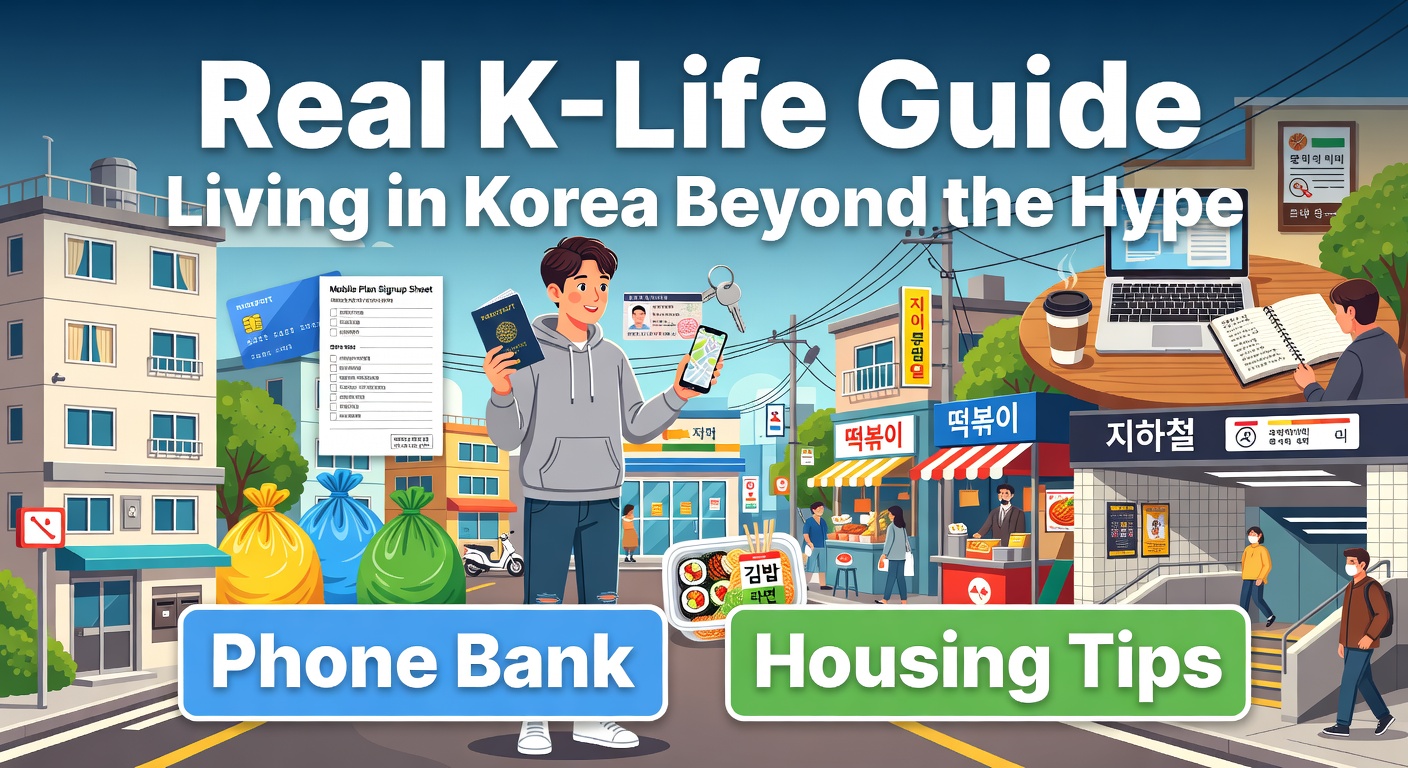
What "K-Life" Actually Means (Beyond the K-Drama Fantasy)
The term "K-Life" has been showing up more frequently in travel content and expat forums since 2025, mostly describing the experience of living like a local Korean — not just visiting tourist spots. According to reporting from outlets like Arirang, there's been a noticeable shift toward "live like a Korean" content, with creators documenting everything from convenience store runs to dermatology visits.
🔗 Arirang — Korea International Broadcasting Foundation
But here's what many people find confusing: "K-Life" isn't an official government term or program. It's a popular shorthand used by media, content creators, and tourism marketers. There's no K-Life visa or K-Life package you can sign up for. What it really means is participating in the everyday systems and habits that define Korean life — the cafe culture, the skincare routines, the delivery apps, the after-work soju, and yes, the intense work-study grind that comes with it.
The gap between the curated Instagram version of Korea and the actual day-to-day can catch people off guard. Korea runs on convenience — 24-hour stores, ultra-fast delivery, blazing internet — but it also runs on long hours, social pressure, and systems that weren't originally designed with foreigners in mind. Understanding both sides is what separates a frustrating first year from a genuinely good one.
Setting Up the Essentials: Phone, Bank, Housing
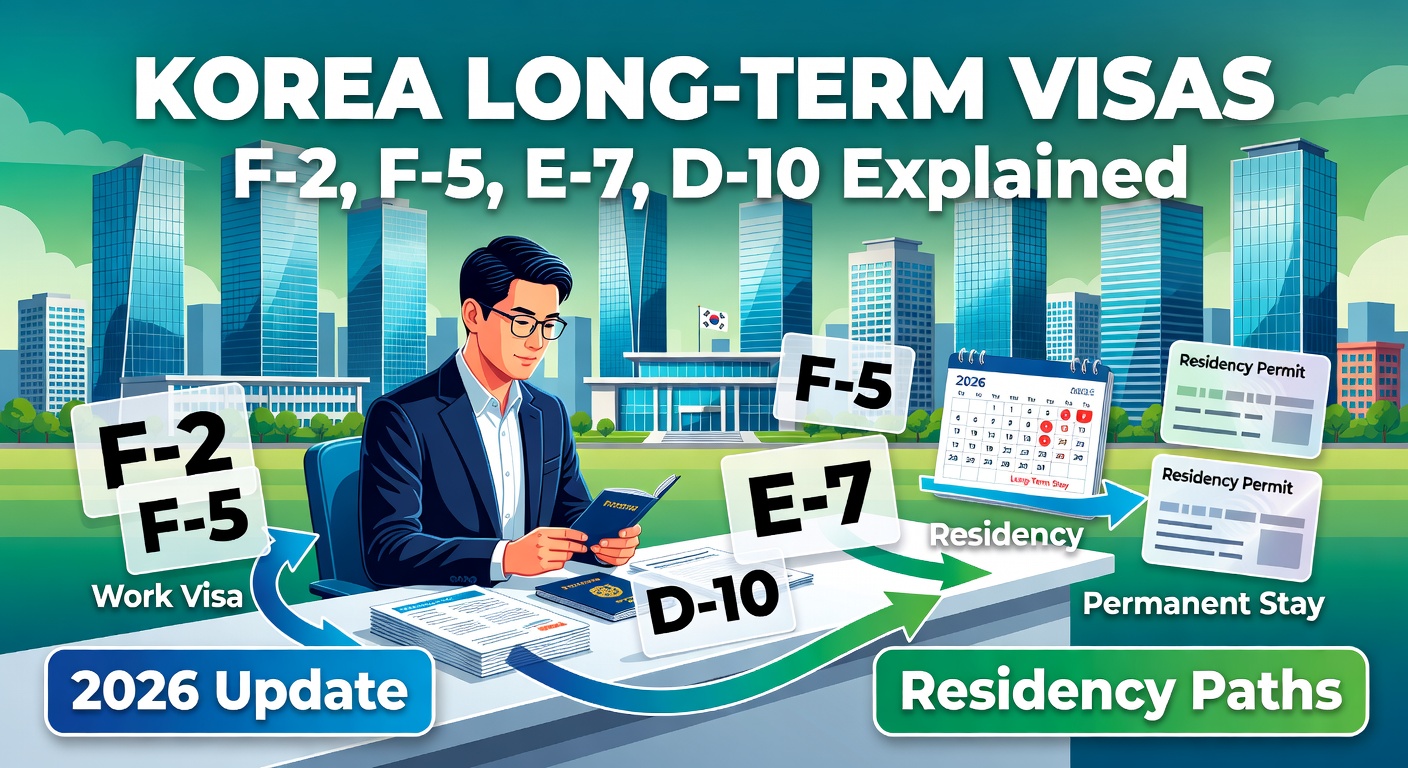
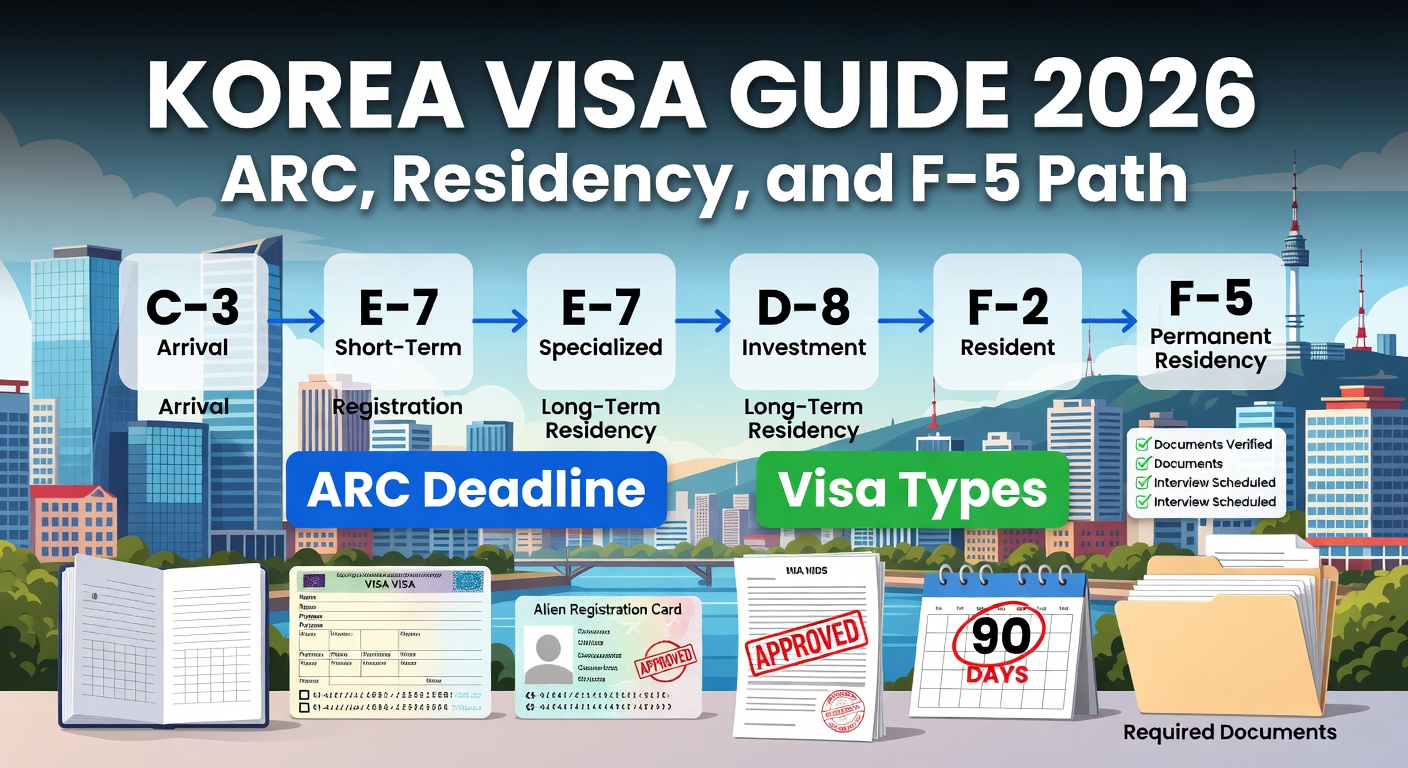
Getting settled in Korea follows a specific sequence, and doing things out of order creates unnecessary headaches. The critical path looks like this: visa and alien registration card first, then phone, then bank account, then housing contract.
Alien Registration Card (ARC)
If you're staying longer than 90 days, you're required to register at your local immigration office within 90 days of arrival. The ARC (외국인등록증) is your Korean ID — you'll need it for almost everything. Without it, opening a bank account or getting a phone plan on a major carrier becomes difficult or impossible.
Many people get tripped up by the timing. Immigration offices are busy, and appointment slots can fill up weeks in advance. Book your appointment through the HiKorea portal (hikorea.go.kr) as soon as you have your address confirmed — processing times and required documents can change, so check the portal for current information before you travel.
Phone
You need your ARC and passport to sign up for a postpaid plan with carriers like SKT, KT, or LG U+. Budget carriers (MVNOs) are cheaper but may require the same documentation. Activation usually takes one to three days. One common pain point: most carrier contracts lock you in for 24 months with early termination fees, so read the contract details carefully — even if it means asking for an English-speaking staff member or bringing a Korean-speaking friend.
Bank Account
Korean banks require your ARC, passport, and proof of address. Some branches are more experienced with foreign customers than others — Shinhan, KEB Hana, and Woori tend to have English-capable staff at major Seoul branches. Your initial account may come with restrictions on international transfers — sometimes for the first few months — which surprises a lot of newcomers. The exact terms vary by bank, so ask before signing up.
Housing
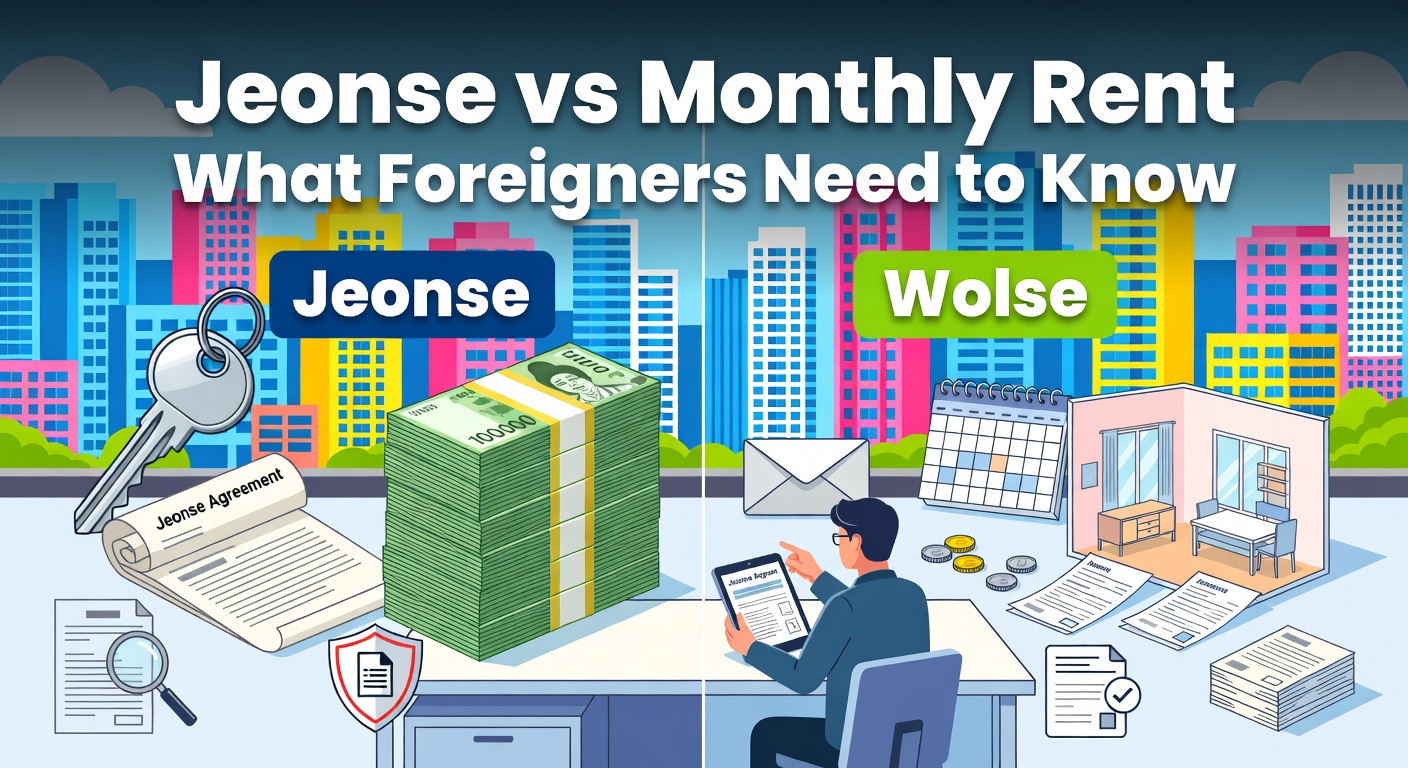
Korea's rental system is unique and often the most confusing part for foreigners. The two main options are jeonse (전세), a large lump-sum deposit system where you pay no monthly rent, and wolse (월세), a monthly rent system with a smaller deposit. Jeonse deposits can be tens of thousands of dollars, so most expats start with wolse.
With the basics handled, the real question becomes: what does everyday life actually look like?
The Daily Rhythm: Convenience Culture and Café Life
Korea's infrastructure is built around speed and convenience in a way that genuinely changes how you live. Once you experience same-day delivery from Coupang, 24-hour convenience stores on every block, and a subway system that runs like clockwork, the adjustment period is more about learning the systems than about missing home comforts.
Convenience stores (CU, GS25, 7-Eleven) are not like their Western equivalents. They're where people eat quick meals, pay bills, pick up packages, and grab last-minute groceries. The triangle kimbap and instant ramyeon stations become a genuine part of your routine, not a novelty.
Cafés are Korea's living rooms. People study, work, hold meetings, and spend entire afternoons in cafés. Korea reportedly has more coffee shops per capita than most countries, and the culture around them — seasonal menus, aesthetic interiors, hours-long stays — is a core part of daily life. If you're working remotely, finding your regular café is one of the first social rituals you'll pick up.
Delivery culture goes far beyond food. Groceries, medicine, laundry, furniture — nearly anything can arrive at your door within hours. Apps like Baemin (배달의민족) and Coupang Eats handle food delivery, while Coupang's Rocket Delivery often arrives before you wake up the next morning. Based on reviews from long-term expats, the biggest adjustment isn't learning to use these services — it's realizing how dependent on them you become.
What often catches people off guard is how much of Korean daily life runs through apps that require a Korean phone number and sometimes a Korean name verification (본인인증). Setting up Kakao, Naver, and your banking app properly in the first week saves a lot of friction later.
K-Beauty, K-Food, and the Social Side
Skincare and Beauty
Korea's beauty culture is not just marketing — it's woven into daily habits. Dermatology clinics are as common as dentists, and visiting one for routine skin treatments (laser, peels, Botox) is normal across age groups and genders. Drugstores like Olive Young carry products at prices that surprise most foreigners used to paying premium prices for Korean brands abroad.
The "10-step skincare routine" that went viral overseas is actually more of a Western interpretation. Most Koreans use a simplified version daily — double cleanse, toner, serum, moisturizer, sunscreen — and add extras seasonally. If you're interested in exploring this, Olive Young staff are usually happy to help, though English availability varies by location.
Food Beyond the Tourist Hits
Yes, you'll eat bibimbap and Korean BBQ. But the real K-Life food experience is about the system: the banchan (side dishes) that come free with every meal, the communal eating style, and the specific etiquette around drinking (pouring for others, turning away from elders when drinking). If you look into this topic online, dining etiquette is where most foreigners report feeling uncertain, especially at work dinners or with Korean friends' families.
Korean home cooking revolves around soup or stew (국/찌개), rice, and multiple side dishes. Learning to make even basic doenjang-jjigae (soybean paste stew) or kimchi-jjigae at home will save money and help you feel more settled.
Social Life and Finding Community
Korea can feel isolating if you don't actively build connections. The expat community is large but scattered. Facebook groups, Meetup events, language exchange cafés, and apps like HelloTalk are common starting points. Many expats also join sports clubs, hiking groups (Korea's hiking culture is massive), or hobby classes.
One pattern that reviews and forums consistently mention: friendships with Koreans often develop more slowly than expected, partly because of language barriers and partly because Korean social life tends to revolve around established groups (university friends, coworkers, hobby circles). Persistence and some Korean language ability make a real difference here.
🔗 In My Korea — Expat Life Guide
Short-Term Visit vs. Long-Term Stay: What Changes
The experience of "doing K-Life" for two weeks as a tourist is fundamentally different from living here for a year or more. Here's where the key differences show up.
| Category | Short-Term (1–3 months) | Long-Term (6+ months) |
|---|---|---|
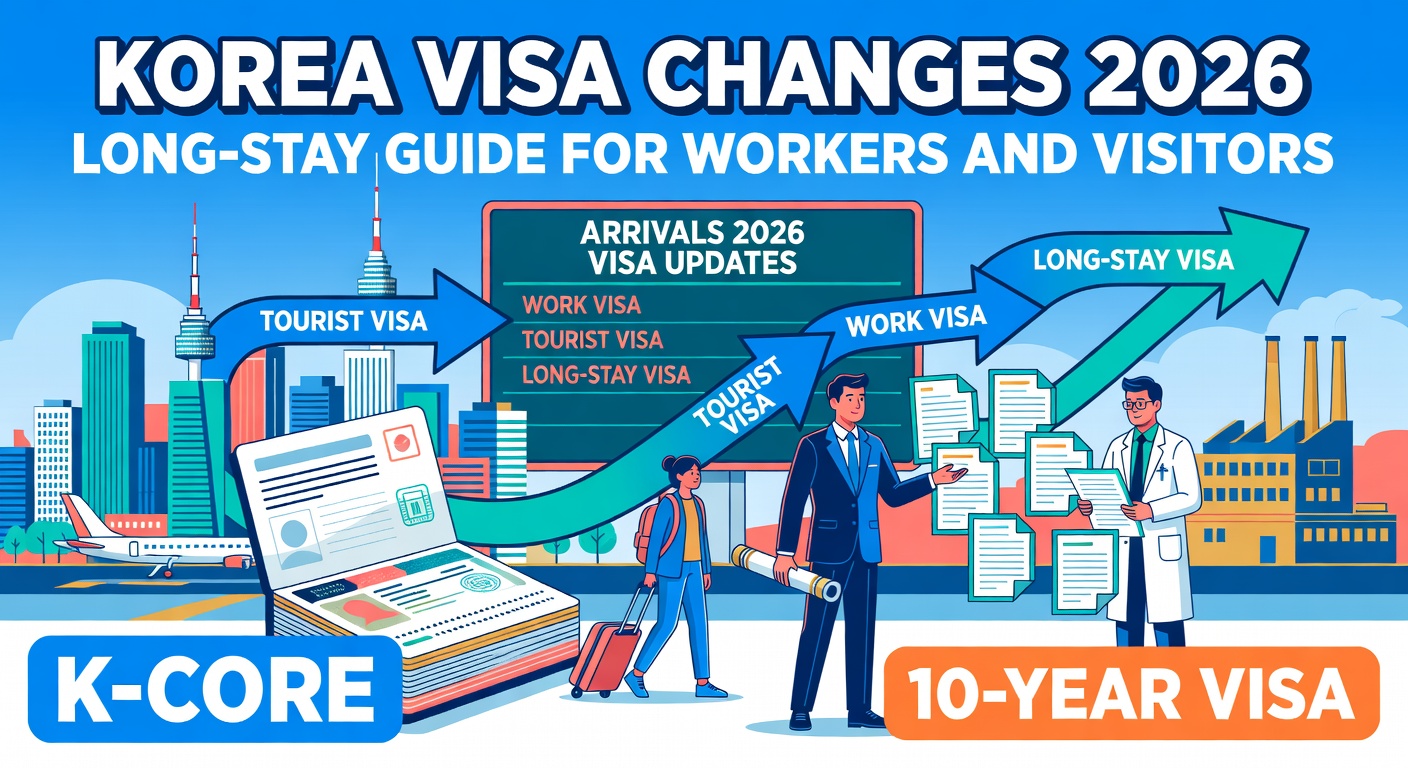
| Visa | Tourist visa or visa-free entry (up to 90 days for many nationalities) | Work, study, or sponsored visa required; ARC mandatory |
| Health insurance | Travel insurance; out-of-pocket for clinics | National Health Insurance (mandatory for most visa types after 6 months) |
| Banking | Cash + international card; limited app access | Korean bank account, Kakao Pay, Naver Pay — full digital life |
| Housing | Airbnb, guesthouses, short-term officetels | Wolse or jeonse lease; deposit + contract required |
| Monthly costs (Seoul) | Highly variable; ₩2M–4M+ with accommodation | ₩800K–1.5M excluding rent (food, transport, utilities, phone) |
| Social integration | Tourist-level interactions; expat meetups | Workplace/school friendships; Korean language becomes essential |
For short stays, the biggest challenge is access — many Korean apps, services, and even some restaurants' ordering kiosks assume you have a Korean phone number and basic Korean reading ability. For long stays, the challenge shifts to integration: building routines, managing bureaucracy, and navigating the social dynamics of Korean workplaces or schools.
🔗 Living in Korea — Complete Guide for Foreigners
The Reality Check: What K-Life Content Doesn't Show
The aesthetic version of Korean life — beautiful cafés, perfect skincare, delicious food — is real, but it's only part of the picture. Long-term residents consistently point out a few realities that the K-Life genre tends to skip over.
Work culture is intense. Despite ongoing reforms, overtime is common in many industries. The boundary between work and personal life can feel blurry, especially if your colleagues expect after-hours socializing. This is improving, particularly at startups and international companies, but traditional Korean corporate culture still runs deep.
The language barrier is real. English proficiency varies enormously. Younger Koreans in Seoul often speak conversational English, but government offices, landlords, banks, and most service workers operate entirely in Korean. Without at least basic Korean (or a Korean-speaking friend), routine tasks like dealing with your landlord or reading a utility bill become stressful.
Loneliness is common. Multiple expat surveys and forum discussions mention loneliness as one of the top challenges, especially after the initial excitement fades. Korea's social structure can feel closed to outsiders, and the work-hard culture leaves limited time for building new relationships organically.
Bureaucracy is paper-heavy. Despite Korea's tech-forward reputation, many government and administrative processes still require physical visits, paper documents, and stamps. The gap between Korea's consumer technology (fast, sleek, app-based) and its administrative systems (forms, waiting rooms, physical seals) confuses a lot of newcomers.
None of this means Korea is a bad place to live — far from it. But going in with realistic expectations makes the transition smoother and the good parts (and there are many) easier to appreciate.
Making It Work: Practical First-Month Priorities
If you've just arrived or are planning your move, here's the sequence that experienced expats recommend for your first few weeks.
After the logistics are handled, spend your remaining first-month energy exploring your neighborhood on foot. Find the nearest traditional market, identify your go-to convenience store, locate the closest laundromat or coin laundry, and pick a regular café. These small anchors make Korea feel like home faster than any tourist checklist.
Conclusion
Living the K-Life isn't about recreating what you see in dramas or influencer content — it's about plugging into the actual systems, rhythms, and habits that make Korean daily life work. The setup phase is front-loaded and sometimes frustrating, but once your ARC, bank account, phone, and housing are sorted, Korea's convenience infrastructure genuinely makes everyday life smooth.
The honest version of K-Life includes both the incredible parts (food, safety, infrastructure, cultural richness) and the harder parts (language barriers, social isolation, bureaucratic friction, work-life balance). Going in with clear expectations about both sides is the single best thing you can do for your experience here. Start with the practical steps, give yourself grace during the adjustment period, and invest early in learning even basic Korean — even a working knowledge of hangul makes daily tasks noticeably more manageable.
🔗 Living in Korea as a Foreigner — iwanderlista
Frequently Asked Questions
Q. What documents do I need to open a bank account in Korea as a foreigner?
You'll need your Alien Registration Card (ARC), passport, and proof of your Korean address. Some banks may also ask for proof of employment or enrollment. Visit a major branch in Seoul or a large city for the best chance of finding English-speaking staff.
Q. How much does it cost to live in Korea per month as an expat?
Excluding rent, most expats in Seoul report monthly costs between ₩800,000 and ₩1,500,000 for food, transport, utilities, and a phone plan. Rent varies dramatically — a studio officetel in Seoul typically runs ₩500,000–₩1,000,000 per month on a wolse contract, though this depends heavily on location and deposit size.
Q. Can I live in Korea with only English?
You can manage basic daily life in English, especially in Seoul's international neighborhoods like Itaewon or Hannam. However, government offices, landlords, most workplaces, and many everyday services operate in Korean. Without at least basic conversational Korean, routine tasks become significantly harder, and building social connections outside the expat community is difficult.
Q. What is the difference between jeonse and wolse rent in Korea?
Jeonse (전세) is a large lump-sum deposit (often tens of thousands of dollars) where you pay no monthly rent — the landlord invests your deposit and returns it when you leave. Wolse (월세) is the more familiar monthly rent system with a smaller upfront deposit. Most foreigners start with wolse because jeonse requires substantial savings and carries deposit-return risks.
Q. Do I need health insurance as a foreigner in Korea?
If you hold a visa for a stay longer than six months, you're generally required to enroll in Korea's National Health Insurance (국민건강보험). Short-term visitors and tourists are not covered and should carry their own travel insurance. Coverage levels and contribution amounts vary depending on your visa type and employment status, so check with the National Health Insurance Service for your specific situation.
Recommended Posts
IT Engineer · Content Creator
Practical guides based on official sources — simple and actionable.
View all posts →