You make a resolution, but find it fading after just a few days. This isn't about laziness. Whether it's exercising, reading, or going to bed early—most people find consistency for the first few days, only for it to become challenging afterward. The real issue isn't a lack of willpower; it's the underlying structure.
As explained by Science Times, habits form as your brain automates repetitive behaviors to conserve energy. Your brain processes familiar patterns efficiently, while perceiving new ones as requiring effort. If your resolve falters after a few days, it's not a personal failing; it simply means the action hasn't become sufficiently familiar to your brain.

Why Resolutions Often Fade
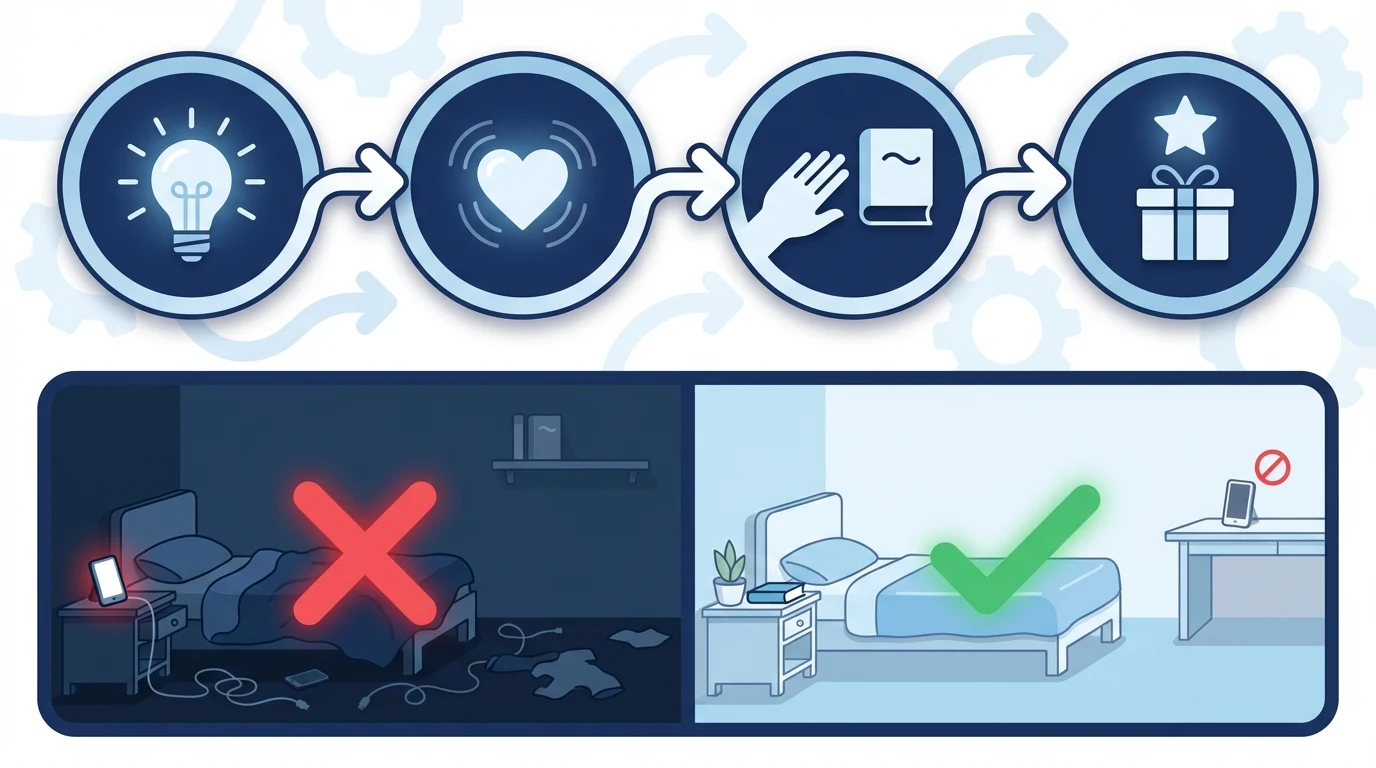
According to a neuroscience explanation featured in Chosun Ilbo, habits function through a four-step loop: Cue → Craving → Response → Reward. This structure means that when a specific situation acts as a cue, a desire emerges, leading to an action, and if a reward follows, that action becomes more likely to be repeated.
If you repeatedly fall into the 'three-day resolution' trap, it's highly probable that a link in this loop is broken. If a cue exists but the reward is too weak, or if the path to the response is overly cumbersome, your brain won't choose that action again. Habit formation is less about sheer willpower and more about setting up the conditions for this loop to operate seamlessly.
Therefore, the focus should shift from "try harder" to "make it easier."
Small Starts Lead to Lasting Habits
If you start with ambitious goals like an hour of daily exercise or reading 50 pages, your brain will perceive such a significant change as a burden. This is why, as highlighted by Dong-A Ilbo, it's often recommended to reduce your goals to something achievable in under two minutes. Think one push-up, one page of a book, or one glass of water — shrinking the task to a size where there's "no reason not to do it."
The key to this approach isn't the feeling of accomplishment, but rather the elimination of barriers to entry. Small actions encourage you to start repeatedly, and these accumulated repetitions eventually become the raw material for automation. In the initial days, making the task smaller is far more crucial than focusing on your skill or output.
Once you've made the starting point small, the next step is to modify your environment to make that action occur almost automatically.
Environment Outlasts Willpower
Individuals who consistently maintain their daily habits aren't typically defined by extraordinary willpower. Instead, they've simply cultivated an environment that encourages those actions with minimal resistance. Small adjustments—like placing your workout clothes by your bed, keeping a book on your nightstand, or charging your smartphone away from your reach—can significantly reduce the friction associated with starting a desired action.
The inverse is equally true. Mindlessly scrolling through videos every night often happens simply because your smartphone is within arm's reach. If you aim to build positive habits, it's far more effective to place the desired action directly in your line of sight and move any potential distractions a step further away.
Here's how you can actually implement these changes:
- Morning Stretch: Leave your yoga mat unrolled instead of folded.
- Drinking Water: Keep your tumbler on your desk, within your line of sight.
- Reading Before Bed: Move your charger out of the bedroom, and place a book by your pillow.
When your environment changes, starting becomes easier. However, the force that sustains consistency comes from a different source.
Visible Rewards Help Habits Stick
According to a neuroscience explanation shared by Chosun Ilbo, dopamine is actively released not just when a reward is received, but also when it's anticipated. The mere expectation of feeling "a little better if I do this" can become a powerful motivator for action.
Attaching a reward to a habit doesn't need to be elaborate. An immediate and small connection is sufficient—like a simple checkmark on a calendar after a workout, or a favorite cup of tea after reading. This is because your brain responds far more quickly to small, tangible satisfactions felt in the present than to abstract, distant goals.
Note: While apps and tracking tools can be useful aids, becoming overly reliant on them to the point where you can't perform the habit without them can detract from the core purpose. Rewards should serve to help sustain a habit, not replace it entirely.
21 Days Isn't the Magic Number
The popular notion that "habits are formed in 21 days" is widely circulated, yet research highlighted by Science Times suggests it lacks sufficient scientific backing. While a frequently cited study indicates it takes an average of 66 days for a behavior to become automatic, individual variation can span anywhere from 18 to 254 days.
If you're still struggling after three weeks, that's perfectly normal. Instead of fixating on a single number, it's more practical to concentrate on building a structure that allows for the consistent repetition of low-effort actions. Not abandoning your entire plan when you miss a day, and maintaining the momentum of "I did it today" over focusing solely on results, are the most critical factors for long-term success.
You Can Start This Way Today
Forming daily habits isn't about making stronger resolutions; it's about starting small enough that your brain won't resist, and creating conditions that foster easy repetition. Make the cue visible, reduce the action to a tiny size, and attach a small reward after completion. When these three elements align, habit formation becomes far less strenuous than relying on willpower alone.
Pick just one small thing to start with today. Instead of aiming for a 10-minute workout, simply take out your workout clothes. Instead of reading 30 pages, read just one. That tiny beginning is far more likely to become "something you always do" in a few weeks' time.